ចូលបណ្តាញសង្គមរបស់យើង






អត្ថបទថ្មីៗបំផុត
មើលអត្ថបទទាំងអស់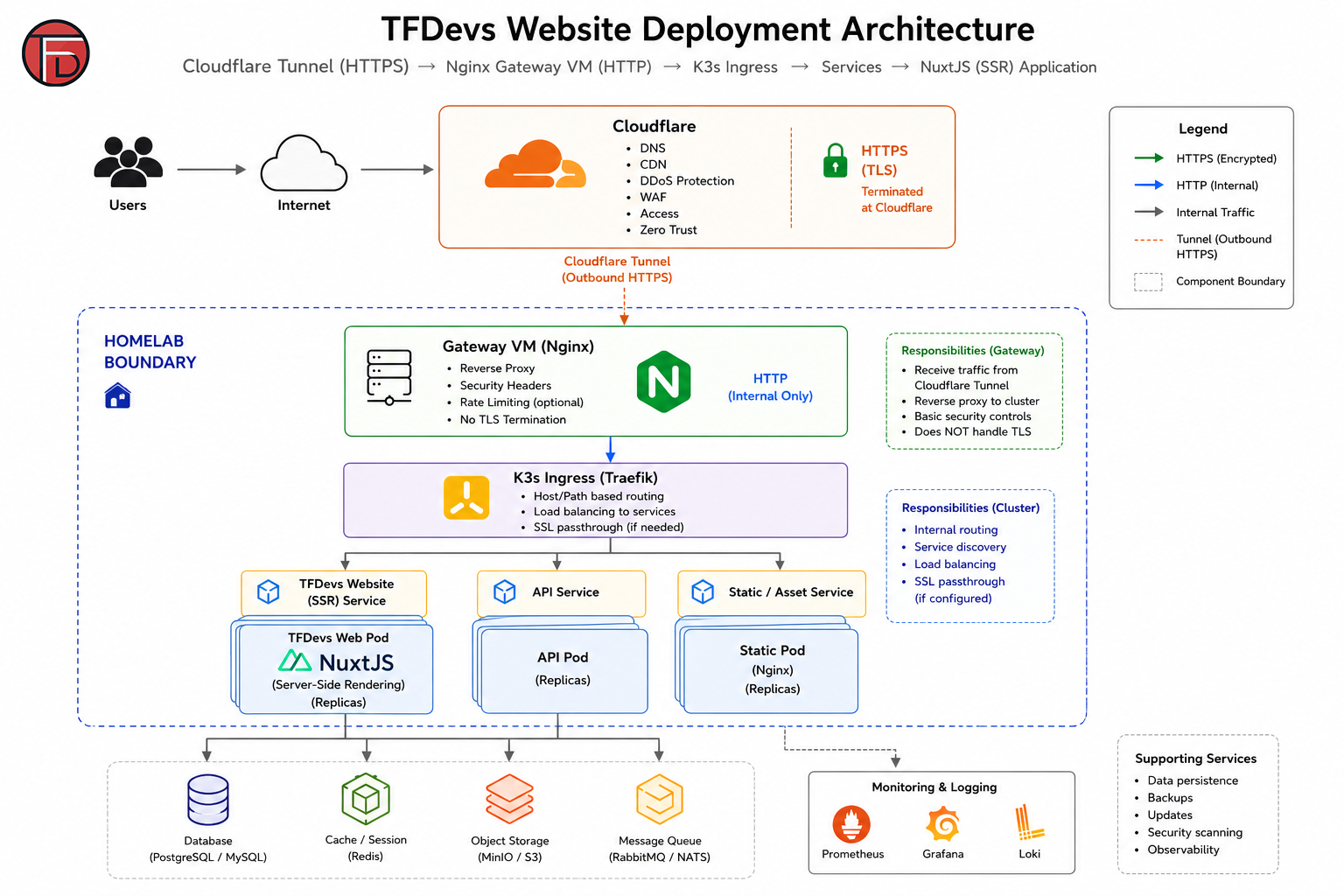
សម័យនេះគេនិយម Vercel ហេតុអ្វីខ្ញុំចាំបាច់ឈឺក្បាលជាមួយ Infra ខ្លួនឯងធ្វើអី?
ស្វែងយល់ពីហេតុអ្វីខ្ញុំចាំបាច់ឈឺក្បាលជាមួយ Infra ខ្លួនឯងធ្វើអី ជំនួសឱ្យប្រើ Vercel ដែលងាយស្រួលប្រើ និងមានសេវាកម្មគាំទ្រដ៏ល្អ។
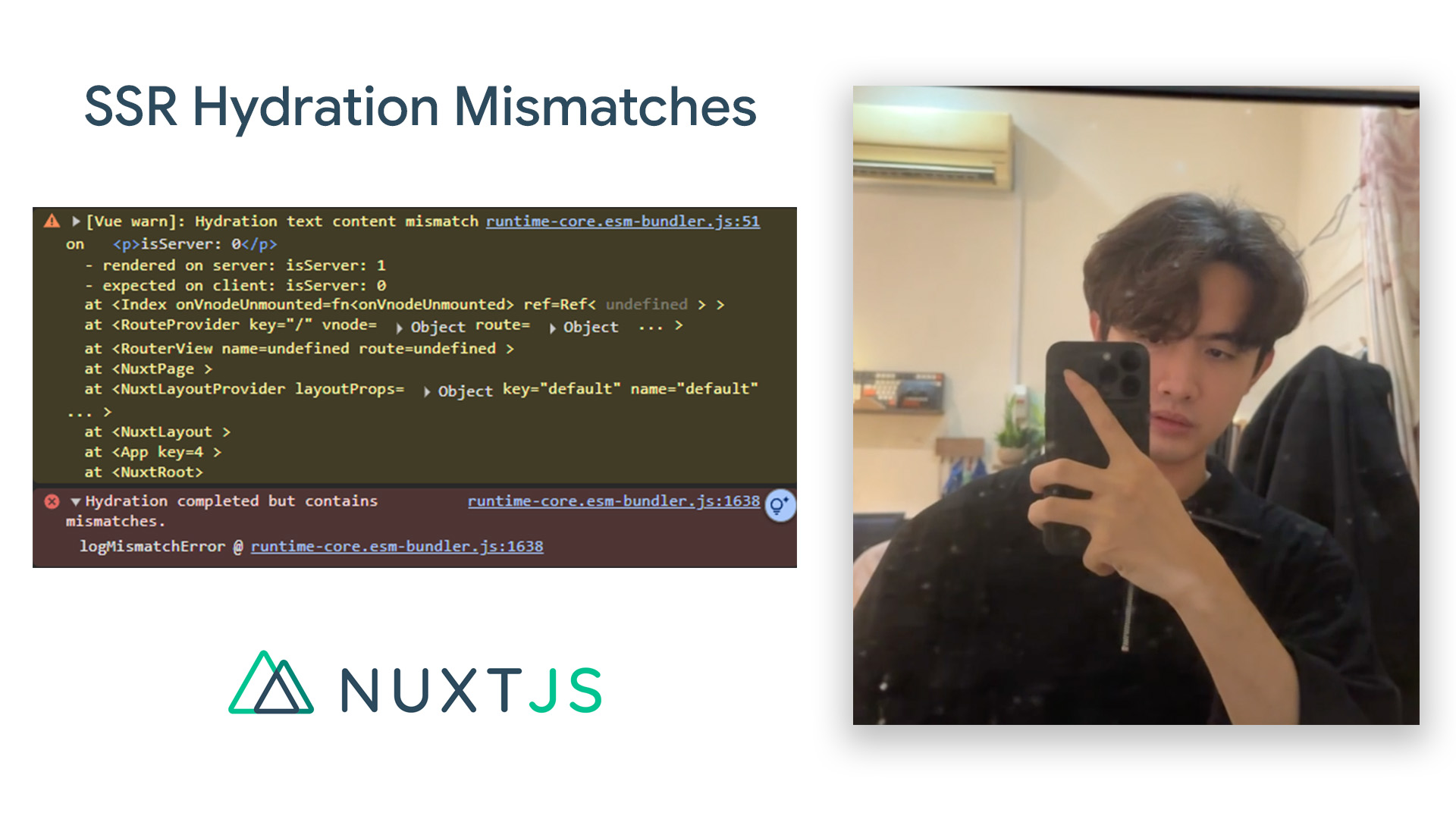
Frontend សម័យឥឡូវ៖ លើសពីការធ្វើ UI គឺការយល់ដឹងពី System ទាំងមូល
ស្វែងយល់ពីការវិវត្តនៃ Frontend Engineering ដែលកំពុងក្លាយជា Full-stack។ ហេតុអ្វីបានជា Framework ដូចជា Next.js ផ្លាស់ប្តូរតួនាទីរបស់យើងពីអ្នកឌីហ្សាញ Layout មកជាអ្នកគ្រប់គ្រង Infrastructure និងយុទ្ធសាស្ត្រ Backend?
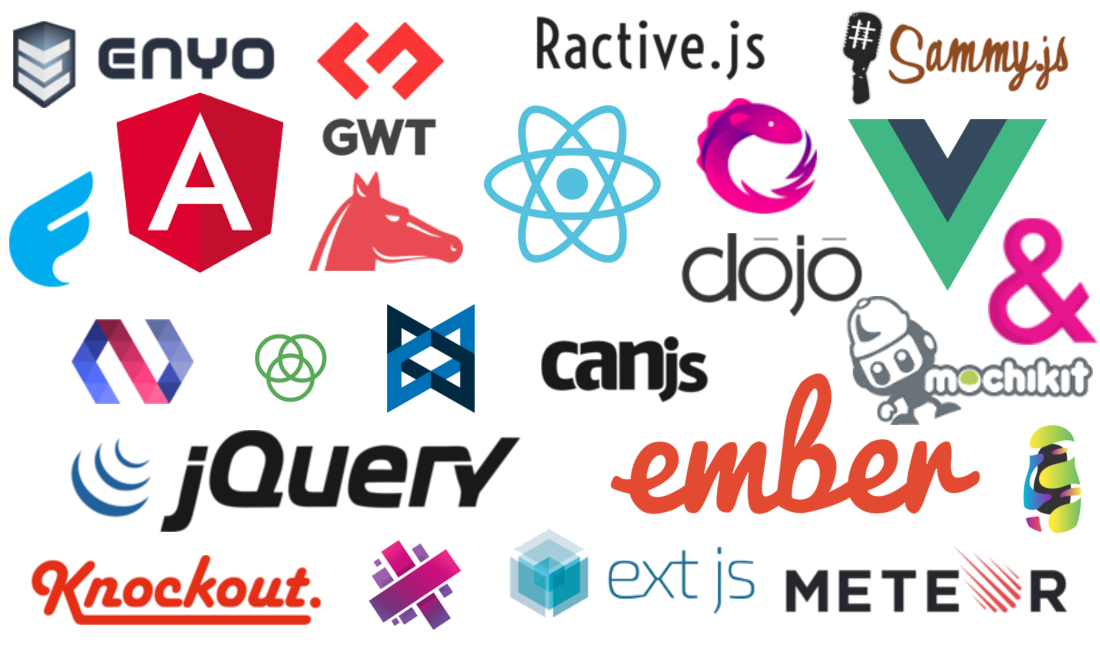
សិក្សា Framework មិនបានធានាថាអ្នកនឹងមានការងារបានទេ
ស្វែងយល់ពីអ្វីទៅជា Framework និងហេតុអ្វីបានជា ការសិក្សា Framework ដោយខ្លួនឯងមិនគ្រប់គ្រាន់ដើម្បីធានាថាអ្នកនឹងមានការងារបាននៅក្នុងក្រុមហ៊ុន IT ទេ។
វីដេអូថ្មីៗបំផុត
មើលវីដេអូទាំងអស់
AI កាន់តែថ្លៃទៅៗ — ឈប់ខ្ជះខ្ជាយ Tokens ទៀតទៅ | AI Is Getting Expensive — Stop Wasting Tokens!
វីដេអូដែលបាន Record នៃសិក្ខាសាលា Online អំពី "AI កាន់តែថ្លៃទៅៗ — ឈប់ខ្ជះខ្ជាយ Tokens ទៀតទៅ!" ជាផ្នែកនៃ AI & Machine Learning Series Recorded video of online workshop: "AI Is Getting Expensive — Stop Wasting Tokens!" as part of AI & Machine Learning Series មនុស្សភាគច្រើនយល់ច្រឡំថា បើចង់បានលទ្ធផល AI ល្អ ត្រូវតែសរសេរ Prompt ឱ្យវែងៗ។ ការពិតមិនមែនបែបនោះទេ! Software Engineer អាជីព ដោះស្រាយបញ្ហា AI តាមរបៀបផ្សេង។ ជំនួសឱ្យការរំពឹងលើ "Magic Prompts" (Prompt សីល៍) ពួកគេប្រើការរៀបចំ Structured Workflows ដែលផ្ដល់លទ្ធផលល្អជាងមុន ចំណាយ Tokens តិច អស់លុយតិច និងមានទំនុកចិត្តខ្ពស់។ ក្នុង Webinar ឥតគិតថ្លៃនេះ ខ្ញុំនឹងចែករំលែកពី "Engineering Mindset" ក្នុងការបង្កើតប្រព័ន្ធ AI ដែលមានប្រសិទ្ធភាពបំផុត។ 📩 ចុះឈ្មោះទីនេះ៖ https://tfdevs.com/academy ព័ត៌មានលម្អិតពីមេរៀន៖ https://tfdevs.com/academy#curriculum កាលវិភាគសំរាប់វេន ព្រឹក នឹង ល្ងាច៖ https://tfdevs.com/academy#schedule ចូលទាញយក Demo នឹង លំហាត់: https://github.com/tfd-ed/tfd-workshop/blob/main/series/ai-ml/w2-ai-usage-token-efficient/materials/workshop-2-content.md TFD Workshop Repo: https://github.com/tfd-ed/tfd-workshop អ្វីដែលអ្នកនឹងរៀន៖ ✅ ការយល់ច្រឡំអំពី "Magic Prompt" ✅ គោលការណ៍ Software Engineering សម្រាប់ប្រើជាមួយ AI ✅ តិកនិក Divide & Conquer ដើម្បីដោះស្រាយកិច្ចការស្មុគស្មាញ ✅ របៀបឌីហ្សាញ Prompt និង Workflow ឱ្យចំណេញ Token (Token-efficient) ✅ ស្វែងយល់ពី Agentic AI: Instructions, Tools និងការរៀបចំផែនការ (Planning) ✅ បច្ចេកទេសដែល Developer ខ្លាំងៗប្រើក្នុងគម្រោងជាក់ស្ដែង IG: https://www.instagram.com/darachaukh/ YouTube: https://youtube.com/@tfdevs Website: https://www.tfdevs.com/ Linkedin: https://www.linkedin.com/in/qiang-cun-zhi/ TikTok: https://www.tiktok.com/@chaudarakh?_r=1&_t=ZS-91PipW1NUEU Telegram Channel: https://t.me/tfdTech Facebook Page: https://www.facebook.com/ChauDaraScienceEngineer

15 សប្តាហ៍ ជាមួយខ្ញុំ! បង្កើត FullStack System ជាមួយគ្នា! Our 15 Weeks FullStack Program | TFDevs
🚀 Code to Career: FullStack Bootcampរៀនបង្កើត Web Application និង System ពេញលេញ ចាប់ពីមូលដ្ឋាន រហូតដល់ Deployment! 📍 ការសិក្សាផ្ទាល់ក្នុងថ្នាក់ (On-site)💲 តម្លៃ៖ $249.99 📅 ចាប់ផ្ដើម៖ 27 July 2026 🕒 កាលវិភាគសិក្សា ថ្នាក់ថ្ងៃធ្វើការ៖ វេនព្រឹក8:30 AM – 11:30 AMថ្ងៃចន្ទ • ពុធ • សុក្រ វេនល្ងាច1:30 PM – 4:30 PMថ្ងៃចន្ទ • ពុធ • សុក្រ ថ្នាក់ថ្ងៃចុងសប្តាហ៍ វេនព្រឹក 8:30 AM – 11:30 AMថ្ងៃចុងសប្តាហ៍ (សៅរ៍ អាទិត្យ) 📚 មាតិកាសិក្សា * Web Fundamentals (HTML, CSS, JavaScript, Tailwind CSS) * Frontend Development (Vue.js, Pinia, Vue Router, i18n, Composition API) * Backend Development (Node.js, Express.js, MongoDB, REST API, Authentication & Security) * DevOps & Deployment (Docker, CI/CD Pipeline, Testing, Monitoring, Scaling) 🎯 សាកសមសម្រាប់ * សិស្ស និងនិស្សិត IT ឆ្នាំទី១–ទី២ * អ្នកចង់ចាប់ផ្តើមអាជីពជា FullStack Developer * អ្នកចង់អភិវឌ្ឍជំនាញសម្រាប់ការងារជាក់ស្តែង 💡 Soft Skills * Engineering Mindset * System Design Fundamentals * Industry Best Practices * Clean Code & Team Collaboration 📍 ទីតាំង៖ https://maps.app.goo.gl/NUDeKKS7VdAmy52L6 📩 ចុះឈ្មោះទីនេះ៖ https://tfdevs.com/academy ព័ត៌មានលម្អិតពីមេរៀន៖ https://tfdevs.com/academy#curriculum កាលវិភាគសំរាប់វេន ព្រឹក នឹង ល្ងាច៖ https://tfdevs.com/academy#schedule

Developer យំហើយ! Bakong API លែងឱ្យឆែកតាមចិត្តដូចមុនទៀតហើយ | អ្វីដែល Developer ត្រូវដឹង
ចូលក្រុម Telegram: https://t.me/tfdTech វគ្គសិក្សា FullStack Development (រៀនផ្ទាល់នៅថ្នាក់): https://t.me/tfdTech/303 វគ្គសិក្សា DevOps Essential(Online): https://t.me/tfdTech/300 នៅក្នុងវីដេអូនេះ យើងនឹងជជែកអំពីការធ្វើបច្ចុប្បន្នភាពដ៏សំខាន់ពី Bakong API ទាក់ទងនឹងការកំណត់ចំនួនប្រតិបត្តិការ។ ចាប់ពីថ្ងៃទី ១ ខែសីហា ឆ្នាំ ២០២៤ ទៅ គណនីដែលមិនបានចុះបញ្ជីផ្លូវការនឹងត្រូវកំណត់ការឆែកប្រតិបត្តិការត្រឹមតែ ១០០ ដងប៉ុណ្ណោះក្នុងមួយថ្ងៃ។ យើងនឹងសិក្សាអំពីមូលហេតុដែលធនាគារជាតិនៃកម្ពុជា (NBC) ដាក់ចេញនូវវិធានការនេះ ផលប៉ះពាល់លើអាជីវកម្មខ្នាតតូច និងអ្នកបង្កើតកម្មវិធី (Developers) ក៏ដូចជាមូលហេតុបច្ចេកទេសទាក់ទងនឹងសមត្ថភាព Server។ យើងក៏នឹងបង្ហាញអំពីជម្រើសផ្សេងៗដូចជា ABA PayWay, Wing និងសារៈសំខាន់នៃការប្រើប្រាស់ Webhooks។ ប្រសិនបើអ្នកជា Developer ឬម្ចាស់អាជីវកម្មដែលប្រើប្រាស់ប្រព័ន្ធ KHQR អ្នកមិនគួររំលងវីដេអូនេះទេ។ In this video, we discuss the major update from Bakong API regarding the new transaction verification limits. Starting August 1, 2024, unverified accounts will be limited to only 100 transaction verifications per day. We explore why the National Bank of Cambodia (NBC) is implementing these changes, the impact on small businesses and freelance developers, and the technical reasons behind server sustainability. We also look at professional alternatives like ABA PayWay, Wing, and the importance of using Webhooks in modern payment gateways. If you are a developer or business owner in Cambodia using KHQR, this update is critical for your operations. Key Topics: - New 100 transaction limit details. - The shift towards registered business entities. - Why "Polling" API is not sustainable. - Official Bank Gateways vs. Free API workarounds. - Don't forget to Like, Subscribe, and Comment your thoughts on these new changes! Timestamps 00:00 Introduction: The July 9th Email from Bakong 00:30 What is the new 100 Transaction Limit? 01:00 How this impacts developers and small businesses 02:00 Why is the NBC implementing this change? (Tax & Security) 03:40 Technical perspective: Server load and API abuse 04:40 Professional standards: Webhooks and Official Gateways 06:10 Comparison with International Standards (Stripe) 07:45 Workarounds and their lack of reliability (Telegram Bots) 08:50 The move towards registered business entities 09:30 Final summary and advice for developers IG: https://www.instagram.com/darachaukh/ YouTube: https://youtube.com/@tfdevs Website: https://www.tfdevs.com/ Linkedin: https://www.linkedin.com/in/qiang-cun-zhi/ TikTok: https://www.tiktok.com/@chaudarakh?_r=1&_t=ZS-91PipW1NUEU Facebook Page: https://www.facebook.com/ChauDaraScienceEngineer #Bakong #KHQR #FintechCambodia #BakongAPI #CambodiaDeveloper #OnlinePayment #NBC
សហការជាមួយ ឆានែល Tech លំដាប់ #1 នៅកម្ពុជា
Reach ទស្សនិកជន Tech រាប់ម៉ឺននាក់ — Developer, Student, និង Decision Maker — តាមរយៈ Sponsored Video, Product Review, Tutorial និងច្រើនទៀត។