Work With Cambodia's #1 Tech Channel
Reach tens of thousands of engaged tech professionals, students, and decision-makers through sponsored videos, product reviews, tutorials, and more.














Let's Spread Technology For All
Success isn’t just about winning prizes; it’s about the journey. True success is found in resilience, bouncing back stronger with each setback.
Founder of TFD
join our social networks!





Latest Articles
View All Articles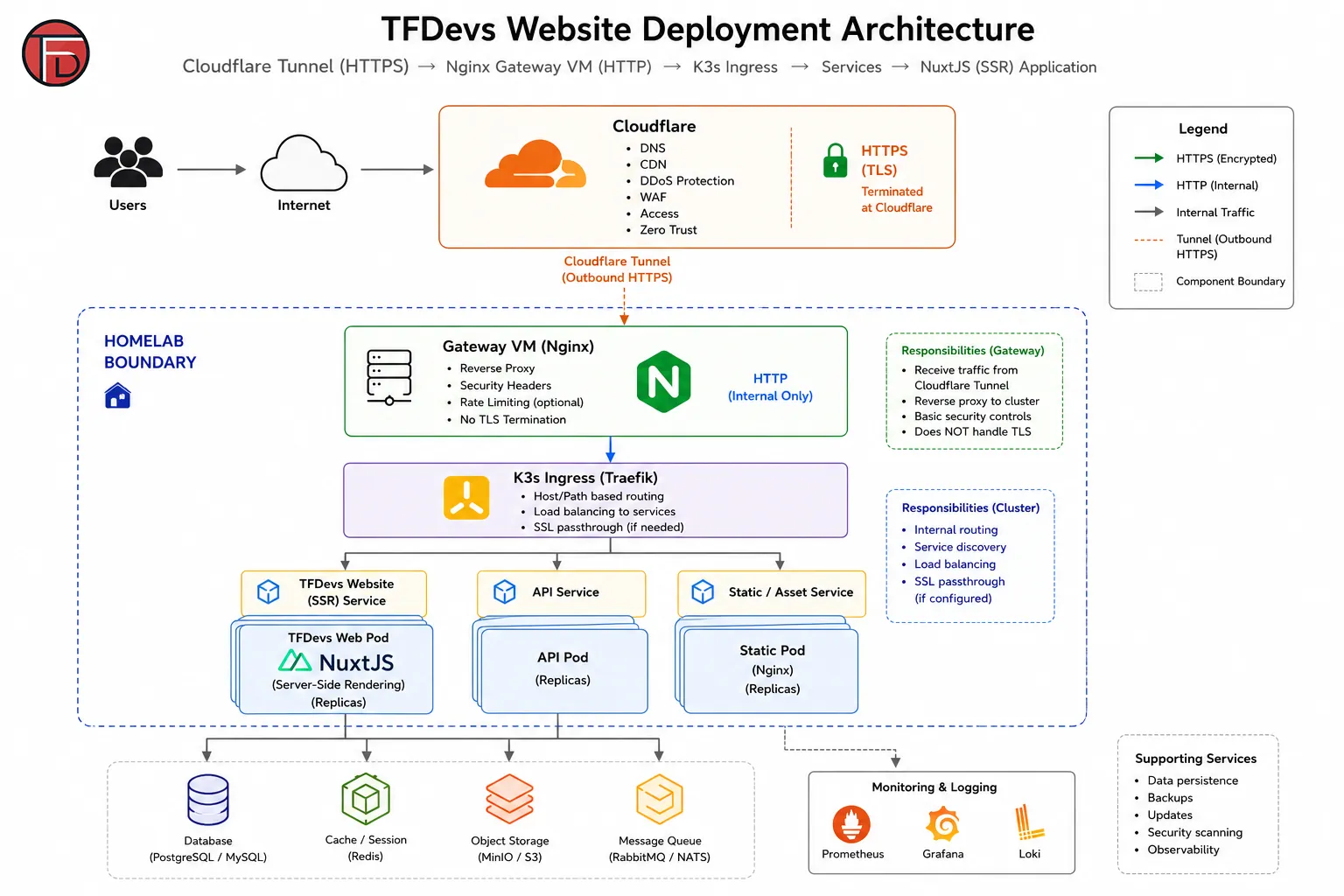
Why I Bother With a Complicated Deployment Instead of Just Using Vercel
Learn why I choose to manage my own infrastructure for deployment instead of using Vercel, despite its ease of use and great support, and the benefits and challenges that come with it.
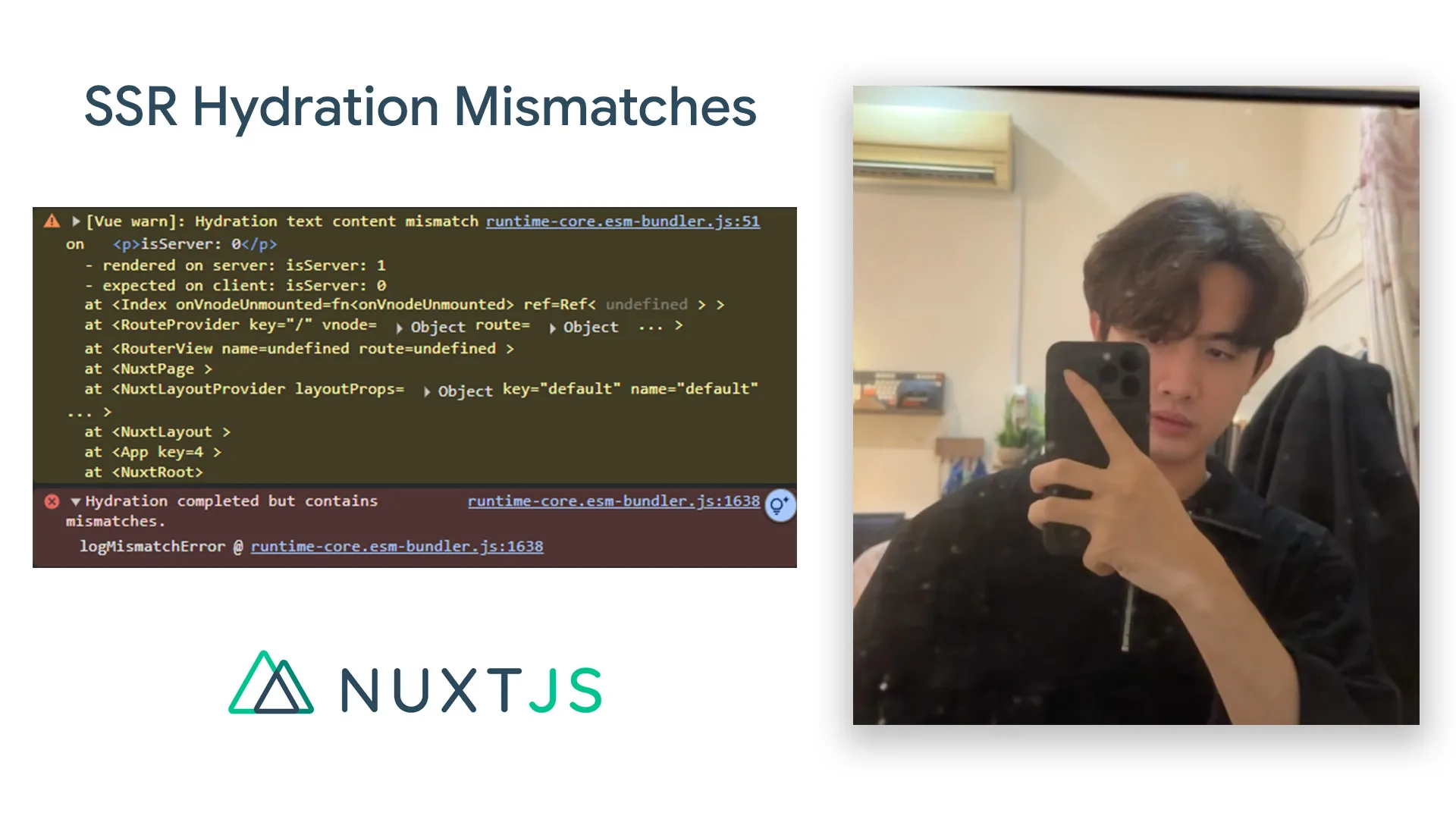
Modern Frontend Development: The Shift Toward Full-Stack Engineering
Explore why modern frontend development now requires knowledge beyond HTML/CSS, including SSR, APIs, and full infrastructure, to survive in the era of Next.js and Nuxt.
Mastering a framework doesn't guarantee you a job
Understand what a framework is and why mastering it alone isn't enough to secure a job in the tech industry.
Latest Videos
View All Videos
ខ្ញុំប្រើ AI ប្តូរខ្លួនឯងទៅជា អ្នកម៉ូដែល ដោយប្រើ Higgsfield | I Turned Myself Into an AI Model
🎬 សាកប្រើ Higgsfield ដោយខ្លួនឯង៖ https://higgsfield.ai/s/higgsfield-general-campaign-yt-tfdevs-MheMld តើអ្នកអាចបង្កើតវីដេអូដើរម៉ូតដោយប្រើតែរូបថតខ្លួនឯង ដោយមិនចាំបាច់ថតផ្ទាល់ដែរឬទេ? នៅក្នុងវីដេអូនេះ ខ្ញុំបង្ហាញជំហានម្តងមួយៗ អំពីរបៀបប្រើ Higgsfield ដើម្បីបំប្លែងរូបថតធម្មតារបស់ខ្ញុំ ទៅជាវីដេអូម៉ូដែលដើរម៉ូតដោយ AI ទាំងស្រុង — តាំងពីជ្រើសរើសម៉ូដែល រហូតដល់បង្កើតវីដេអូចុងក្រោយ។ Higgsfield ជាក្រុមហ៊ុន មួយក្នុងចំណោមក្រុមហ៊ុន GenAI ដែលកំពុងលូតលាស់លឿនបំផុត ដោយមានបេសកកម្មតែមួយ៖ ធ្វើឱ្យការបង្កើតវីដេអូ AI ងាយស្រួលពិតប្រាកដសម្រាប់អ្នកបង្កើតខ្លឹមសារ។ ក្នុងវេទិកាតែមួយ អ្នកអាចប្រើម៉ូដែលឈានមុខគេដូចជា Seedance, Nano Banana Pro, GPT Image និងច្រើនទៀត រួមជាមួយឧបករណ៍ផ្ទាល់ខ្លួនរបស់ Higgsfield គឺ Cinema Studio 3.5, Soul 2.0, Higgsfield MCP និង Higgsfield Supercomputer។ ប្រសិនបើអ្នកកំពុងស្វែងរក Free AI video generator, Cheapest AI Platform ឬចង់ចាប់ផ្តើម AI filmmaking និង AI image generation — Higgsfield ជាកន្លែងល្អមួយដើម្បីចាប់ផ្តើម។ ──────────────── Ever wondered if you could become a runway model without ever stepping in front of a camera? In this video I walk you through my full Higgsfield workflow: I take an ordinary photo of myself and turn it into a complete AI fashion walk video, from picking a model to the final render. Higgsfield is one of the fastest-growing GenAI companies, built with one clear mission: make AI video creation genuinely creator-friendly. Inside one platform you get the world's leading models, like Seedance, Nano Banana Pro and GPT Image, plus Higgsfield's own tools: Cinema Studio 3.5, Soul 2.0, Higgsfield MCP and Higgsfield Supercomputer. Looking for a free AI video generator, the cheapest AI platform to try, or a way into AI filmmaking and AI image generation? Higgsfield is a great place to start. ចូលក្រុមTelegram: https://t.me/tfdTech IG: https://www.instagram.com/darachaukh/ YouTube: https://youtube.com/@tfdevs Website: https://www.tfdevs.com/ Linkedin: https://www.linkedin.com/in/qiang-cun-zhi/ TikTok: https://www.tiktok.com/@chaudarakh?_r=1&_t=ZS-91PipW1NUEU Facebook Page: https://www.facebook.com/ChauDaraScienceEngineer ⏱ Chapters 0:00 Is this fashion video really 100% AI-generated? 0:55 How do you sign up and log in to Higgsfield? 1:11 How do you start with Create Video and pick a model (Genjutsu Lite vs Seedance)? 1:47 What is the Motion Library and Community Trending in Higgsfield? 2:50 How does Higgsfield Motion Transfer clone motion onto your own character? 3:33 How do you use your own photo as the character in Higgsfield? 3:59 How do you build a full-body character sheet in Higgsfield's Image tab? 5:25 How long does a Higgsfield AI video take to generate, and how does it turn out? 6:01 How many variations should you generate to get the best AI video? 6:47 How can you save credits when using Higgsfield? Sponsored by Higgsfield. #ad #Higgsfield #AIVideo #AIFilmmaking

ការបង្កើត System ដែលចេះជួសជុល ខ្លួនឯង ជាមួយ AI Agents | CODE-C 2026
ការបង្កើតហេដ្ឋារចនាសម្ព័ន្ធ Software ដែលជួសជុល ខ្លួនឯងបាន ជាមួយ AI Agents | CODE-C 2026 Slides: https://t.me/tfdTech/331 នៅយុគសម័យ AI យើងសរសេរកូដបានលឿនជាងមុន ប៉ុន្តែកូដកាន់តែច្រើន ក៏មានន័យថាកំហុសអាចកើតឡើងកាន់តែច្រើនដែរ។ ក្នុងវីដេអូនេះ ជាការបង្រៀននៅ Code C 2026 (CADT) លោក ចៅ តារា (Chau Dara)ស្ថាបនិក TFDevs ចែករំលែកការពិសោធន៍ជាក់ស្តែងរយៈពេល ៧ ខែលើ Homelab របស់គាត់ ដែលប្រព័ន្ធអាចរកឃើញបញ្ហា ប្រមូលភស្តុតាងត្រឹមត្រូវ ហើយឱ្យ AI ស្នើដំណោះស្រាយជា Pull Request ដោយមនុស្សនៅតែជាអ្នកសម្រេចចុងក្រោយ។ អ្វីដែលអ្នកនឹងទទួលបាន - មូលហេតុដែលកូដពី AI ធ្វើឱ្យ Production ពិបាកគ្រប់គ្រង និង Debug - របៀបតាមដាន Request មួយ ពី Browser តាម Cloudflare, Ingress, Nuxt SSR ទៅ NestJS API ដោយប្រើ Request ID និង Trace - របៀបចាត់ថ្នាក់ឧបទ្ទវហេតុ (Incident) ជា ១០ ប្រភេទ និង ៤ កម្រិតធ្ងន់ធ្ងរ (SEV1 ដល់ SEV4) ព្រមទាំង Playbook សម្រាប់ដោះស្រាយ - កន្លែងដែល AI គួរចូលរួម (កម្រិត L0 ដល់ L3) ហើយហេតុអ្វីគួរឈប់ត្រឹម «ស្នើដំណោះស្រាយ» ជាជាង Auto-merge - អ្វីដែល AI មិនត្រូវឃើញ ឬប៉ះពាល់ឡើយ៖ Credential, Token, Raw Log និងទិន្នន័យផ្ទាល់ខ្លួន - របៀបដាក់ Agent ក្នុង Sandbox (VM ដែលមាន Firewall) ដើម្បីកាត់បន្ថយហានិភ័យ Prompt Injection - Demo ផ្ទាល់៖ កំហុសលើ Dev Server ក្លាយជា GitHub Issue និង Fix PR បច្ចេកវិទ្យាដែលលើកឡើង៖ Cloudflare, K3s, Terraform, Sentry, GlitchTip, Grafana, Loki, Prometheus, Telegram, GitHub, Docker Compose។ From Alert to Auto-Fix: Building Self-Healing Infrastructure with AI Agents AI lets us ship more code than ever, but more code also means more ways to fail. In this talk from Code C 2026 at CADT, Chau Dara (founder of TFDevs) shares a real 7-month experiment on his homelab: an infrastructure that detects a problem, collects the right evidence, and lets an AI agent propose a fix as a pull request, while a human stays in the loop. What you will learn - Why AI-generated code makes production harder to own and debug - How to follow one request from the browser through Cloudflare, ingress, Nuxt SSR and a NestJS API using request IDs and traces - How to classify incidents into 10 types and 4 severities (SEV1 to SEV4), with playbooks for each - Where AI fits (levels L0 to L3), and why it should stop at "propose a fix" instead of auto-merging - What AI must never see or touch: credentials, tokens, raw logs and personal data - How to sandbox the agent in a firewalled VM to limit prompt injection and credential leaks - A live demo: a crash on a dev server becomes a GitHub issue and a fix PR Stack and tools mentioned: Cloudflare, K3s (lightweight Kubernetes), Terraform, Sentry SDK, GlitchTip, Grafana, Loki, Prometheus, Grafana Alloy, Telegram alerts, GitHub Issues and Pull Requests, Docker Compos ចូលក្រុមTelegram: https://t.me/tfdTech IG: https://www.instagram.com/darachaukh/ YouTube: https://youtube.com/@tfdevs Website: https://www.tfdevs.com/ Linkedin: https://www.linkedin.com/in/qiang-cun-zhi/ TikTok: https://www.tiktok.com/@chaudarakh?_r=1&_t=ZS-91PipW1NUEU Facebook Page: https://www.facebook.com/ChauDaraScienceEngineer 00:00 Intro: self-healing infrastructure with AI 01:43 About the speaker: Chau Dara, founder of TFDevs 02:10 Why: more AI code means more ways to fail 03:36 AI needs context: a real request path 05:54 The plan: rules first, AI only where it fits 07:20 The homelab behind it (K3s, Terraform, projects) 11:50 Technical debt and owning your code 13:58 3 AM production incident: where do you start? 17:03 How the system watches itself (Sentry, Loki, Grafana) 18:34 10 incident types and SEV1-SEV4 severity rules 23:18 Playbooks: how to respond to each severity 24:29 Live demo: Grafana dashboard and noisy traffic 25:27 The incident lifecycle 26:09 Where AI fits in, and its limits (L0-L3) 27:51 Evidence, the fix path, and what AI must never touch 29:23 First live run and the AI-written pull request 30:20 Real numbers and what can go wrong (prompt injection) 33:20 Sandboxing the agent with a firewall 34:32 Beyond a homelab: compliance, privacy, accountability 35:23 Conclusion and reflection 39:32 4 takeaways 40:20 Live demo: an alert becomes a fix PR 45:11 Q&A #AIAgents #DevOps #Homelab #Kubernetes #CodeC2026 #TFDevs #បច្ចេកវិទ្យា #ភាសាខ្មែរ

Code មិនមែនជា Architecture ទាំងមូលទេ ចាប់ផ្តើម Terraform! Terraforming Context for AI Agents
Terraforming my infra because the repo is not the architecture ប្រសិនបើអ្នកចង់អភិវឌ្ឍខ្លួនឱ្យក្លាយជា Fullstack Developer ដែលចេះប្រើប្រាស់ AI ប្រកបដោយប្រសិទ្ធភាព និងទំនួលខុសត្រូវខ្ពស់ អាចចូលរួមជាមួយវគ្គបណ្ដុះបណ្ដាលជាក់ស្ដែងថ្មីរបស់យើងបាន៖ 👉 ចុះឈ្មោះ និងព័ត៌មានលម្អិត៖ https://t.me/tfdTech/323 (សិក្សានៅចុងខែនេះ ពីថ្ងៃចន្ទ ដល់ ព្រហស្បតិ៍ | Online | ម៉ោង 8:30 យប់ – 10:00 យប់) តើអ្នកធ្លាប់ឆ្ងល់ទេថា ហេតុអ្វីបានជា AI ជួយយើងដោះស្រាយបញ្ហា និងសរសេរកូដបានយ៉ាងរលូននៅពេល Run លើ Localhost ប៉ុន្តែបែរជាវង្វេងទិសដៅ ឬផ្តល់ចម្លើយខុសស្រឡះ នៅពេលមានបញ្ហាលើ Production Server? មូលហេតុចម្បងគឺដោយសារតែ AI ដឹងត្រឹមតែកូដដែលនៅក្នុង Folder/Repository របស់អ្នកប៉ុណ្ណោះ ប៉ុន្តែបញ្ហានៅលើ Production ជាក់ស្តែងច្រើនតែកើតឡើងនៅលើស្រទាប់ដទៃទៀតដូចជា Cloudflare, Reverse Proxy, DNS Tunnels, Kubernetes Ingress, Cache, ឬ Network Configuration ជាដើម។ នៅក្នុងវីដេអូនេះ ខ្ញុំនឹងចែករំលែកពី៖ • ភាពខុសគ្នារវាងបរិបទ Localhost និងបរិយាកាស Production ស្មុគស្មាញ • ការវិភាគលើស្ថាបត្យកម្មប្រព័ន្ធជាក់ស្តែង (System Architecture Breakdown) • របៀបប្រើប្រាស់ Infrastructure as Code (IaC) ដូចជា Terraform និង Ansible ដើម្បីបង្កើតជា Single Source of Truth សម្រាប់ AI • វិធីសាស្ត្រតាមដាន Incident ដោយប្រើប្រាស់ Request ID និង Log Tracing • ការកំណត់ព្រំដែនសុវត្ថិភាព (Guardrails)៖ ហេតុអ្វីមិនគួរប្រគល់ API Keys ឬសិទ្ធិកែប្រែ Production ដោយផ្ទាល់ទៅឱ្យ AI? Ever wondered why AI coding assistants (ChatGPT, Claude, Copilot, Cursor) feel like geniuses when working on localhost, but completely fail when troubleshooting bugs in production? The reason is simple: your AI only has access to your repository source code, but production issues live across layers—Cloudflare, DNS tunnels, Reverse Proxies, Kubernetes ingress controllers, Redis caches, and database connections. In this video, we break down why traditional repository-level prompting fails in production environments and how to use Infrastructure as Code (Terraform & Ansible) to create a Single Source of Truth that gives AI full architectural visibility. We also cover request-tracing best practices and the essential guardrail: why you should NEVER give AI raw mutation access or API keys to your live infrastructure. 📌 What You’ll Learn in This Video: • The fundamental context gap: Localhost development vs. Multi-layer Production • Real-world architecture teardown (Cloudflare, HomeLab gateway, K8s Ingress, VMs) • Using Terraform & Ansible to turn system infrastructure into readable code • Feeding architecture maps and dependency graphs into AI agents • How to trace production incidents using unique Request IDs and logs • Safety guardrails: Plan-first execution, human-in-the-loop, and keeping API keys secure ចូលក្រុមTelegram: https://t.me/tfdTech IG: https://www.instagram.com/darachaukh/ YouTube: https://youtube.com/@tfdevs Website: https://www.tfdevs.com/ Linkedin: https://www.linkedin.com/in/qiang-cun-zhi/ TikTok: https://www.tiktok.com/@chaudarakh?_r=1&_t=ZS-91PipW1NUEU Facebook Page: https://www.facebook.com/ChauDaraScienceEngineer 00:00 - សេចក្តីផ្តើម៖ ហេតុអ្វី AI ឆ្លាតនៅ Localhost តែខ្សោយនៅ Production? 01:06 - បញ្ហាប្រឈមរវាង Local Environment និង Production Architecture 02:52 - ការវិភាគលើ System Architecture ជាក់ស្តែង (DNS, Ingress, Database) 04:45 - ដំណោះស្រាយ៖ ប្រើប្រាស់ IaC (Terraform & Ansible) ដើម្បីផ្តល់ Context ដល់ AI 05:42 - Terraform & Ansible ជា Single Source of Truth នៃហេដ្ឋារចនាសម្ព័ន្ធ 08:57 - យុទ្ធសាស្ត្រតាមដានបញ្ហា (Incident & Debugging) ឆ្លងកាត់ Request ID 11:11 - ការប្រុងប្រយ័ត្នសុវត្ថិភាព៖ មិនត្រូវផ្តល់សិទ្ធិ ឬ API Key ទៅ AI ដោយគ្មានការត្រួតពិនិត្យ 12:09 - សេចក្តីសន្និដ្ឋាន និងអត្ថប្រយោជន៍នៃការរៀបចំប្រព័ន្ធ